
Multi-Family Property Sales in Fairlawn, OH
The Catalyst Realty Group sells multi-family property across Akron and the rest of Northeast Ohio, including Summit, Cuyahoga and Lorain counties, to buyers who underwrite, which means the rent roll and the expenses have to hold up before the price will.
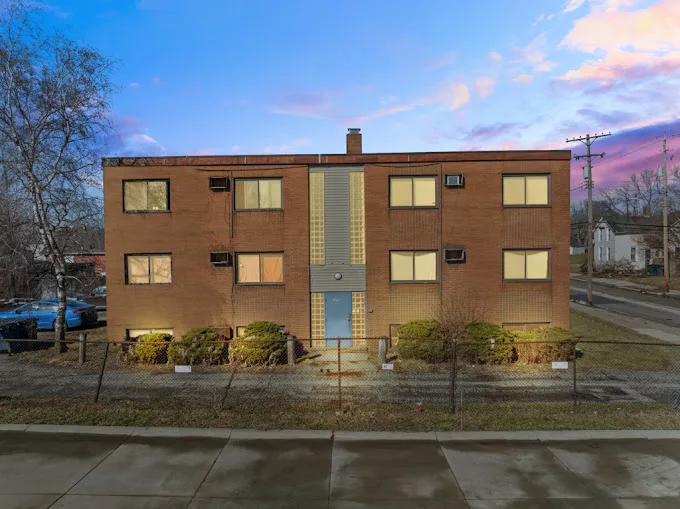
Buyers price your building off the rent roll, not the photographs
Every serious multi-family buyer starts in the same place: current rents against market rents, the vacancy history, the lease expirations, and whether the income is collected or merely stated. Units renting below market can read as upside or as a warning depending entirely on why they are below. Long-tenured tenants at old rents, a unit occupied by family, and rent that has not been raised in years all surface in the first week of due diligence. Presenting that openly with the reasoning attached is worth considerably more than hoping it goes unnoticed.
Deferred maintenance in older Akron rental stock
A large share of the multi-family inventory across Akron and inner Summit County was built decades ago, and buyers underwrite it on that basis. Buyers price roofs, boilers, electrical service, and parking surfaces into their offer whether or not you have addressed them. The question before listing is which items to repair and which to disclose and price for. Spending on the wrong ones is money you will not see again, and leaving a significant item undisclosed is how a deal reopens on day forty with your leverage gone.
Small multi-family and large multi-family sell to different buyers entirely
A duplex or fourplex reaches a broad pool that includes owner-occupants, who can use residential financing and live in one unit while renting the rest. Above that threshold the financing shifts to commercial terms, the buyer is an investor working from a capitalization rate, and the pool narrows sharply. That line changes how a property should be marketed, priced, and even timed. Positioning a fourplex purely as an investment asset when half its likely buyers would live in it leaves money on the table.
Selling while tenants are still living there
Showings in an occupied building are a real operational problem, not a minor inconvenience. Tenants have rights, notice requirements apply, and a showing process that antagonizes people can cost you the occupancy a buyer is paying for. We plan access around the actual lease terms and proper notice, group it so residents are disturbed as little as possible, and pair it with communication clear enough that nobody starts apartment hunting in the middle of your sale.
Knowing whether selling actually beats holding
Sometimes the analysis says do not sell. That same work runs in reverse for an owner weighing an exit: what the building produces now against what it would net after sale costs and taxes, what the deferred capital will cost if you keep it, and what you would realistically do with the proceeds. Selling a performing asset in order to sit in cash is a decision worth stress-testing before it is made.
Before we walk the building
Gather the current rent roll and leases, two years of income and expenses, the latest tax bill and insurance premium, and any recent roof, HVAC or inspection reports. A note on which units or suites have work coming helps too, since that is the first thing a buyer will price. Whatever is missing, we'll help you track it down before it holds up the deal.

Own rentals? CRPM can manage them.
CRPM is the property management division of Catalyst Realty Group. They handle tenants, leasing and upkeep, so your investment doesn’t become a second job.
Visit CRPM (opens in a new tab)“Fast responses and trustworthy people. All of my transactions are being processed with experience and profitability.”
Frequently Asked Questions
How do buyers value a multi-family building?
Larger buildings are valued on net operating income divided by a market capitalization rate. Small buildings, generally two to four units, are often valued on a blend of income and comparable sales, because owner-occupants compete for them using residential financing. Knowing which pool your building falls into determines how it should be priced and marketed.
Should I raise rents to market before selling?
Sometimes, but not automatically. Higher rents improve net operating income, which improves value at any given cap rate. The risk is turnover, because a vacancy at the wrong moment weakens the exact number a buyer is underwriting. Raising rents works best when there is enough runway to let the new leases season before the property goes to market.
Do I have to disclose a problem tenant?
Yes, and the rent roll and lease files will reveal it regardless. Late payment history, an eviction in progress, or a tenant in holdover all come out during due diligence. Disclosing upfront lets it be priced into the deal at the start. Discovered later, it becomes a reason to reopen the entire negotiation.
Can I sell with units sitting vacant?
Yes, though it changes who buys and at what price. Vacancy lowers current income, which lowers a straightforward income valuation. It can also attract value-add buyers who want to reposition units and set rents themselves. The right approach depends on how many units are empty, why they are empty, and what comparable units nearby are actually leasing for.
What records will a buyer ask me for?
The rent roll, every current lease and amendment, twelve months of operating expenses, property tax bills, utility history, records of capital work, service contracts, and any outstanding code correspondence. For larger buildings expect a request for tenant estoppel certificates as well, which means tenants confirming their lease terms in writing.