
Real Estate Market Analysis in Fairlawn, OH
The Catalyst Realty Group reads the market at street level across Northeast Ohio, including Summit, Medina and Geauga counties, so your decision rests on what is happening where you are buying or selling rather than on a national headline.
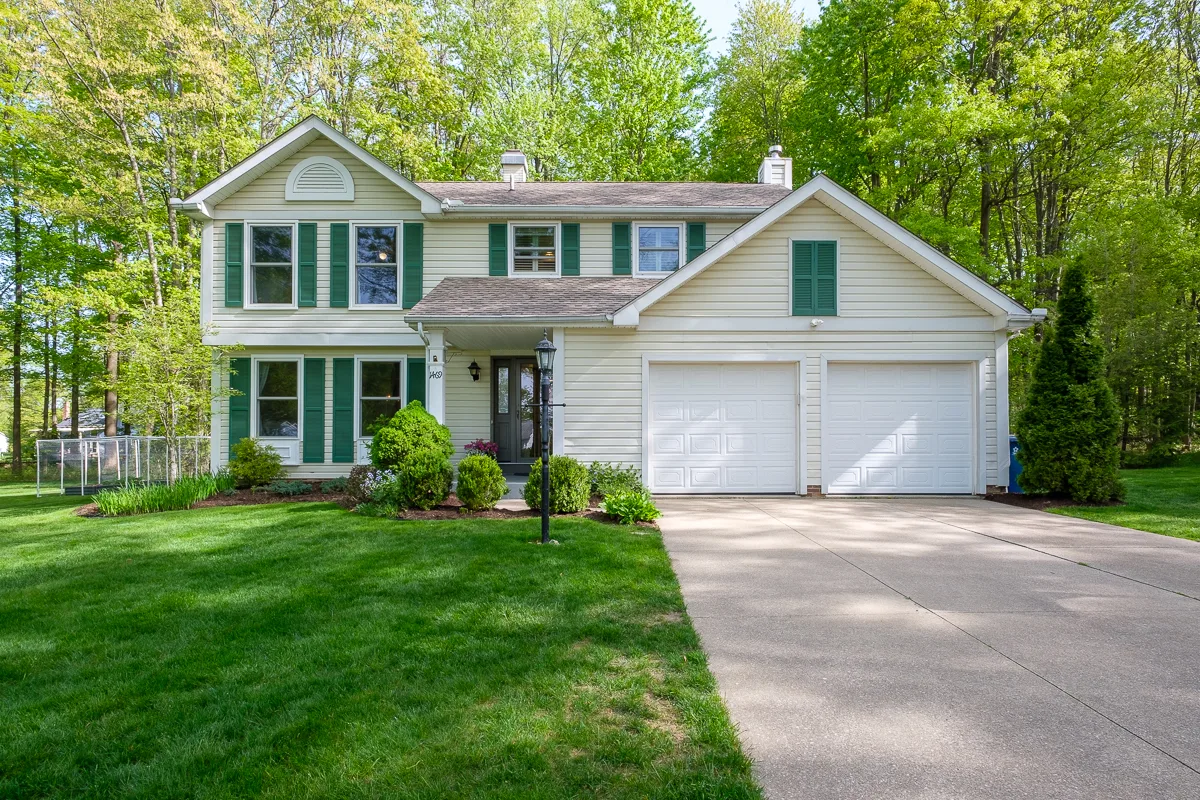
National headlines that have nothing to do with your street
The market is not one market. National reporting averages coastal metros with Midwest suburbs and produces a number that describes neither. Within twenty minutes of our Fairlawn office, price behavior, days on market, and buyer competition differ sharply between Cuyahoga Falls, Stow, and the Montrose corridor, and they differ again by price band inside each of those. We build a market analysis here from what has closed near the specific property, in the specific price range, in recent months. That is the only version of the data that can inform a real decision.
Whether it is a buyer's or a seller's market where you are
We answer this with concrete measures rather than a feeling. Months of inventory tells you how long it would take to sell everything currently listed at the current pace. The ratio of sale price to list price tells you whether sellers are actually getting their number. Days on market tells you how long buyers are taking to decide. Read for your neighborhood and your price band rather than for the county, those three tell you which side holds leverage and roughly how much. They also shift faster than most people expect.
Timing a move in Northeast Ohio
Inventory here is seasonal in a way that matters. Spring and summer bring the most listings and the most competition. Fall and winter bring thinner selection and fewer buyers, and owners who list in the cold months usually have a reason to move, which shows up in how they negotiate. Neither season is simply better. Which one favors you depends on whether you are buying or selling, how flexible your timeline is, and what your specific price band is doing, because the seasonal swing is much stronger at some price points than at others.
What the data can tell you and what it cannot
Comparable sales, inventory, and absorption are measurable, and they are what we build a market analysis on. Interest rates, employment shifts, and what the market looks like eighteen months out are not forecastable by anyone being honest with you, and a consultant who claims otherwise is selling confidence rather than information. The useful move is building a decision that survives being wrong about the forecast, which usually means understanding your own timeline and carrying capacity rather than trying to time a bottom that only becomes visible in hindsight.
Watching a neighborhood before you are ready to move
Most people start looking at market data two weeks before they need a decision, which is the worst possible time to start. If a move is six or twelve months out, the valuable thing is watching the specific neighborhoods and price bands you care about across that window: what lists, what sells, what sits, and what comes down in price. By the time you are ready, you recognize a good price on sight because you have watched forty comparable homes move through the market. A report delivered on decision day cannot give you that.
Before your consultation
Bring the address or listing, what you'd pay or what you think it's worth, and the decision you're actually trying to make. For an investment property, add any rent roll, leases, tax bill and recent repair invoices you have. For your own home, a list of updates and roughly when they were done helps more than anything else. If you're missing something, we'll work around it.
“Professional and responsive in communication which I find hard to find these days. Stress free experience with guidance and support throughout the process of buying home.”
Frequently Asked Questions
How is this different from a free online home estimate?
Automated estimates work from public records and broad algorithms. They do not know the condition of a home, what sold two streets over last month with three offers, or what is under contract right now and about to close. That gap runs into tens of thousands of dollars on individual properties, which is why a real analysis reads recent local sales directly instead.
How often does the market here actually change?
Faster than most people assume at the neighborhood level. Inventory, days on market, and negotiating leverage can shift meaningfully within a single season, and a specific price band can move while the county average stays flat. Analysis older than roughly three months is worth refreshing before you make a decision on the strength of it.
Can you tell me whether prices will go up or down?
No one can, and treating any forecast as reliable is how people get hurt. What is knowable is current inventory, recent sale prices, absorption rates, and how your particular neighborhood has behaved. A decision built on those and on your own timeline holds up far better than one built on a prediction about next year.
Do school district boundaries affect market values here?
Substantially. Attendance boundaries are among the strongest demand drivers in this area, and they do not follow city lines, so two homes a block apart can sit in different districts and different demand pools. Any credible analysis verifies the boundary for the specific address rather than assuming the town settles it.
Is a market analysis useful if I am not ready to move yet?
That is often the best time for one. Knowing where your neighborhood stands lets you plan a timeline instead of reacting to one, and watching the same submarket across several months builds a sense of pricing that no single snapshot can. Owners planning a move a year out use this regularly.