
Investment Property Analysis in Fairlawn, OH
Before you commit to an investment property, The Catalyst Realty Group runs the real numbers on it, whether it sits in Summit, Portage, Cuyahoga or another Northeast Ohio county, so you learn what it actually produces rather than what the listing claims it will.
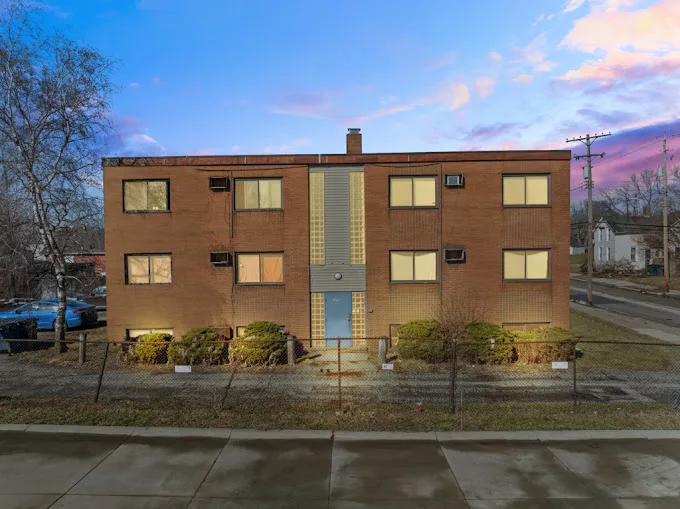
Pro formas that assume nothing ever goes wrong
A pro forma on a listing sheet is a sales document. It typically shows full occupancy every month of the year, no turnover costs, a maintenance figure that would not cover one water heater, and no management expense at all. Your analysis rebuilds it from the ground up with realistic vacancy, a reserve sized to the age of the building, and management included whether or not you intend to hire anyone. The two versions of the same property often differ by several hundred dollars a month.
What the property will actually rent for
Asking rent and achieved rent are different numbers, and the gap shows up in the income projection. The analysis pulls what comparable units in the same neighborhood have genuinely leased for recently, how long they sat vacant before leasing, and what condition they were in when they did. A unit that needs $12,000 of work before it can command the rent in the pro forma is not producing that rent today. Knowing the real number before you write the offer keeps a deal from underperforming from month one.
The repair number is the one everybody guesses
Most bad deals are bad because the rehab was estimated from a walkthrough rather than a scope. The analysis itemizes what the property needs, separates what must happen before a tenant moves in from what can wait a year, and prices it from real quotes instead of a per-square-foot rule of thumb. Older buildings in this area carry line items that a quick estimate skips, including electrical service that needs updating and basements with a drainage history. We then build your offer price backward from that number rather than forward from the asking price.
Taxes and insurance that change after you buy
The tax figure on a listing reflects what the current owner pays, and that is not always what you will pay. Summit County valuations lag the market, and a sale can put a property back in front of that process, which means the carrying cost you underwrote may not be the one that arrives on your first bill. Insurance has moved considerably as well. We model both at a realistic forward number rather than copying them from the current statement, because a few hundred dollars a month here decides whether the deal clears at all.
Knowing when the answer is no
An analysis that always concludes buy is not an analysis. A meaningful share of properties that look strong in photos do not clear once real rents, real expenses, and a real repair scope are in the spreadsheet, and we tell you that plainly. Walking away from three deals to find the fourth that works is a better year than buying the first one. The reason to run the numbers well before an offer deadline is having enough room to accept an answer you did not want.
Before your consultation
Bring the address or listing, what you'd pay or what you think it's worth, and the decision you're actually trying to make. For an investment property, add any rent roll, leases, tax bill and recent repair invoices you have. For your own home, a list of updates and roughly when they were done helps more than anything else. If you're missing something, we'll work around it.

Own rentals? CRPM can manage them.
CRPM is the property management division of Catalyst Realty Group. They handle tenants, leasing and upkeep, so your investment doesn’t become a second job.
Visit CRPM (opens in a new tab)“Fast responses and trustworthy people. All of my transactions are being processed with experience and profitability.”
Frequently Asked Questions
What do you actually look at when analyzing a property?
Real achieved rents from comparable nearby units, the full expense load including taxes, insurance, vacancy, turnover, maintenance reserve, and management, and an itemized repair scope. Those feed cash flow, cap rate, and cash-on-cash return. Exit assumptions matter as well, meaning what the property is likely worth later and who the buyer is when you sell it.
How fast can you turn an analysis around?
It depends on access to the property and whether contractor quotes are needed for the repair scope. A desk-level analysis on rents, expenses, and comparables moves quickly. A reliable rehab number takes longer, because it needs eyes on the building. If there is an offer deadline, say so at the start so we can sequence the work around it.
What is a good cap rate for this area?
There is no single number, because cap rate only means something measured against comparable properties in the same submarket and condition tier. A high cap rate frequently signals risk rather than opportunity, whether that is deferred maintenance, a difficult tenant base, or a neighborhood with thin resale demand. The comparison is what makes the figure useful at all.
Do you analyze properties I found on my own?
Yes, and that is common. The analysis is the same either way. It is also fine to bring several at once, since comparing three side by side under identical assumptions usually makes the decision obvious in a way that looking at them one at a time does not.
What if the analysis says the deal does not work?
Then you have your answer and you keep your capital. In some cases the deal works at a different price, and the analysis tells you what that price is, which becomes the basis for an offer. In others the property is simply wrong for your goals. Both outcomes are worth considerably more than finding out after closing.