
Investment Property Representation in Fairlawn, OH
The Catalyst Realty Group represents investors buying across Akron, Fairlawn, and the rest of Northeast Ohio, including Summit, Cuyahoga and Stark counties, where we judge every property on the numbers it produces rather than on how well it shows.
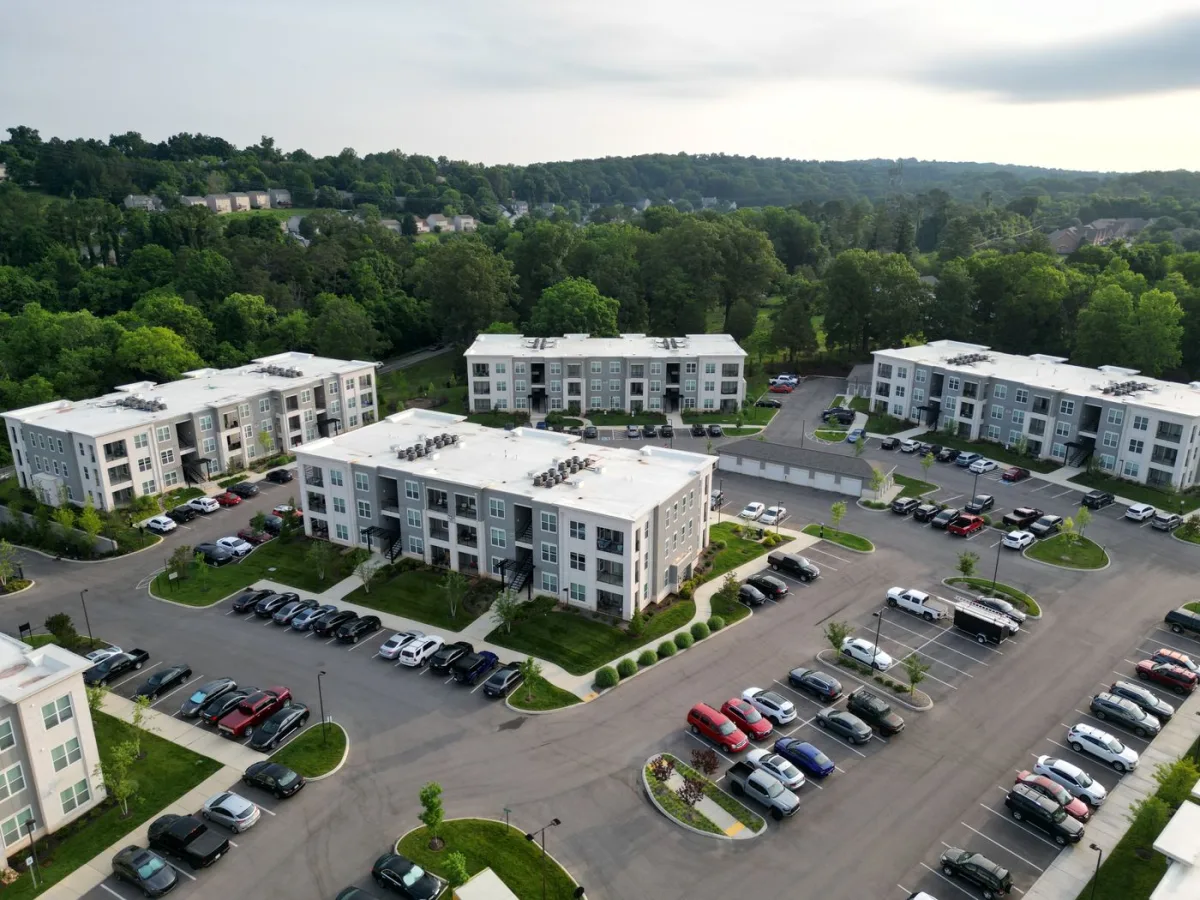
Knowing whether the numbers actually work before you buy
A property either cash flows or it does not, and the listing photos will not tell you which. We run every deal the same way: rental income against the real expense load including taxes, insurance, vacancy, maintenance reserve, and management, then cap rate and cash-on-cash return. We have identified hundreds of cashflowing properties based on market specific data, and that same screening runs on whatever you are considering. If the numbers do not work you hear it plainly, before you are emotionally attached to the address.
The rental numbers come from people who manage rentals
Katie Middendorf, our principal broker, co-founded CRPM, the property management company under the same ownership. When we run the numbers on a rental you're considering, the rent comps, turnover costs and repair estimates come from people who manage rentals in these same neighborhoods for a living. If you'd rather not manage it yourself after closing, CRPM can take it over.
Overpaying and underestimating what the rehab will really cost
The two mistakes that sink new investors are paying too much at acquisition and budgeting repairs off a walkthrough instead of a scope. Northeast Ohio's older rental stock adds line items that buyers routinely miss: aging roofs, outdated electrical service, and basements that have been quietly wet for years. We build your offer price backward from a realistic rehab number and a target return, not forward from the asking price. We also leave deals on the table when the math does not support them, and that is part of the service rather than a failure of it.
Finding deals that never reach the public listing sites
The properties worth buying rarely sit on a consumer search portal collecting twelve offers. The agents here all work the same market, so a lot of conversations happen before a property is ever listed. You hear about owners who are tired of managing, estates being settled, and small landlords exiting, often weeks before anything goes public. What that buys you is a bit of time to run the numbers without an offer deadline pressing on you, though you still need to be prepared to make swift, informed decisions.
Single-family or multi-family, and which one fits you
These are two different businesses. Single-family units are simpler to manage and tend to hold tenants longer, but one vacancy means the property produces nothing that month. Multi-family generates stronger cash flow and spreads vacancy risk across units, at the cost of more tenants, more turnover, and more management. Financing differs as well, and living in one unit of a small multi-family can open loan products that a straight rental purchase cannot use. The right answer depends on your capital, your time, and how hands-on you genuinely want to be.
Getting from one property to a portfolio
The common paths are leveraging equity in what you already own, reinvesting cash flow into the next down payment, partnering to increase buying power, and stepping into multi-family or commercial where the returns justify the added complexity. Buying with the second and third property already in mind changes what you should buy first, which is why that conversation belongs at the start rather than three years in.
Before your first conversation
Bring the budget, the return you're aiming for, and how hands-on you plan to be. If you already own rentals, the rent roll and recent repair invoices help. None of it has to be perfect.

Own rentals? CRPM can manage them.
CRPM is the property management division of Catalyst Realty Group. They handle tenants, leasing and upkeep, so your investment doesn’t become a second job.
Visit CRPM (opens in a new tab)“Fast responses and trustworthy people. All of my transactions are being processed with experience and profitability.”
Frequently Asked Questions
How do I evaluate whether a rental is actually profitable?
Three numbers do most of the work. Cash flow is rental income minus every expense including vacancy and reserves. Cap rate is net operating income divided by the purchase price, which lets you compare properties against each other. Cash-on-cash return measures what you earn against the money you actually put in. A property can look fine on one and fail badly on the others.
How do people finance investment properties?
Conventional investment loans are the common route and typically require a larger down payment than a primary residence. FHA and VA loans can work if you live in one unit of a duplex, which is house hacking. Investors use hard money and private financing for short-term rehab projects where speed matters more than rate, then refinanced out afterward.
Is a fixer-upper or a move-in-ready rental the better buy?
A fixer-upper holds more profit if your rehab numbers are accurate and you have the capital to carry it while it produces nothing. A move-in-ready rental starts generating income immediately with less risk and less upside. The honest question is whether you have the time, the contractors, and the reserve to absorb surprises.
What is BRRRR, and does it work in this market?
Buy, rehab, rent, refinance, repeat. You purchase below market, renovate to raise the appraised value, place a tenant, then refinance to pull your capital back out and use it again. It depends entirely on buying at the right price and hitting your after-repair value, so the analysis matters far more than the strategy does.
What is the biggest mistake new investors make?
Overpaying, underestimating repair costs, and leaving property management out of the expense math. That third one is the quiet killer, because an owner managing their own units is working a job they never priced in. Running every deal with management included, even when you plan to self-manage, keeps the numbers honest.