
Retail Property Sales in Fairlawn, OH
The Catalyst Realty Group sells retail property across the Fairlawn and Montrose trade area and the rest of Northeast Ohio, including Summit, Medina and Wayne counties, where traffic counts, co-tenancy, and lease structure set the price.
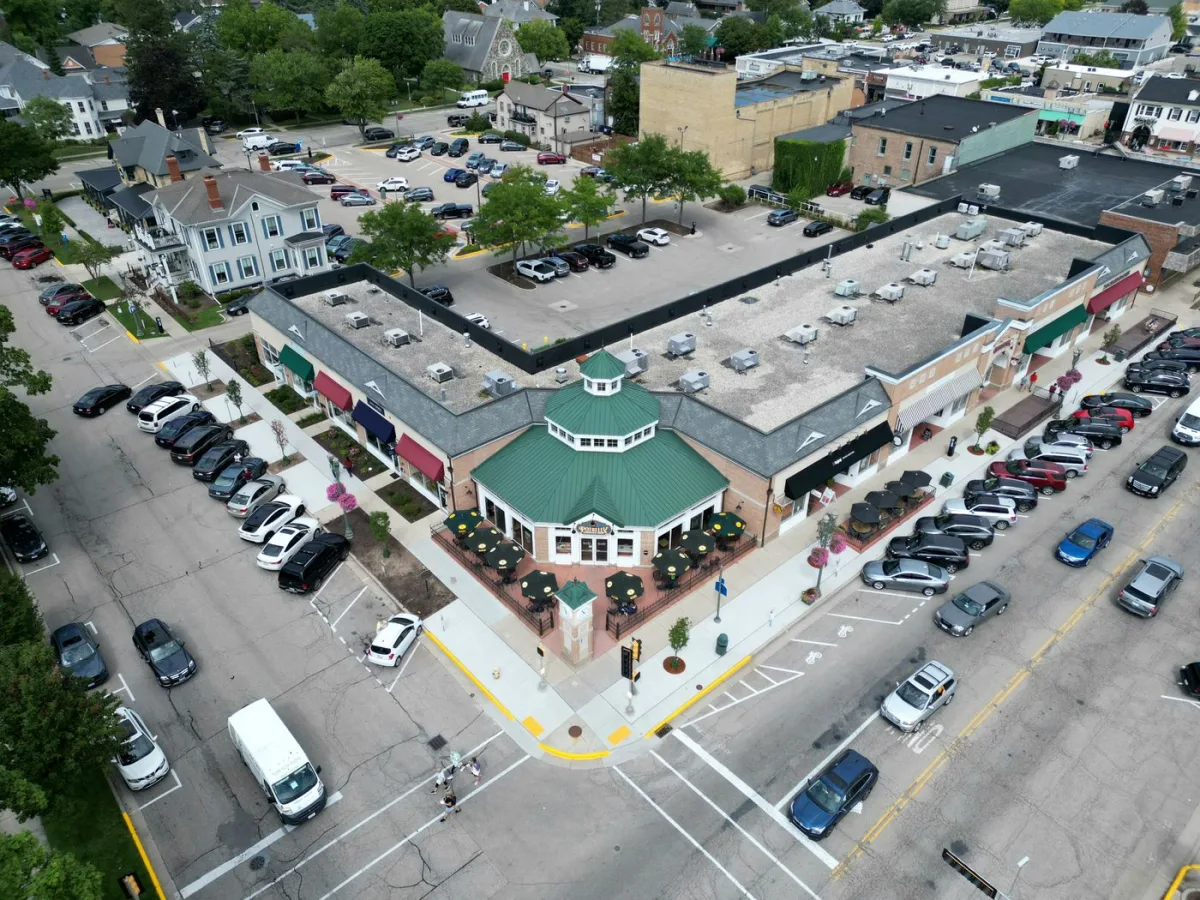
Location in retail is measured, not described
Retail buyers do not take a location's reputation on faith. They look at traffic counts on the road in front of the property, daytime population within three and five miles, the income profile of those rings, and what else operates nearby. The Fairlawn and Montrose corridor along Route 18 and Cleveland-Massillon Road near I-77 performs well on exactly those measures, which is why national tenants have clustered there for decades. Putting your property's actual numbers in front of a buyer is far more persuasive than describing the area as busy.
Co-tenancy and what happens next door
A retail property's value is partly determined by neighbors the owner does not control. An anchor drawing consistent traffic supports every tenant around it, and an anchor going dark can trigger co-tenancy clauses that let other tenants cut their rent or leave outright. Buyers read those clauses very closely. Summit Mall in Fairlawn is now the only enclosed mall remaining in the county after Chapel Hill and Rolling Acres closed, and that history is precisely why buyers here scrutinize the stability of whatever surrounds a property.
Lease structure decides what a buyer is actually purchasing
Two retail properties collecting identical rent can be worth very different amounts depending on their leases. A triple net lease, where the tenant covers taxes, insurance, and maintenance, produces predictable income. A gross lease leaves those costs with the owner and exposes a buyer to every increase. Add escalations, renewal options, exclusive use clauses, and personal guarantees and the picture shifts again. We abstract the leases and present them clearly before marketing, because a buyer forced to dig for these terms will assume the worst about them.
Tenant credit is a large share of the price
A national tenant with an investment-grade credit rating and years of term remaining supports a materially different price than a local operator on a short lease, even when the rent is identical. That does not make local tenants a weakness. A long-established local business with consistent sales and a history of renewing can be a real strength, provided the story is documented rather than asserted. What buyers will not accept is being asked to carry the risk without being given enough information to evaluate it.
Vacant space is a pricing problem you can get ahead of
An empty unit costs you twice: the rent you are not collecting and the discount a buyer applies for the uncertainty. Retail vacancy across the Akron market has been running tight, which works in an owner's favor here, but a vacant suite still needs a plan before listing. Leasing it first usually nets more than selling around it, even when that delays going to market. Where that is not realistic, the alternative is pricing the vacancy honestly and showing a buyer what comparable space nearby is currently leasing for.
Before we walk the building
Gather the current rent roll and leases, two years of income and expenses, the latest tax bill and insurance premium, and any recent roof, HVAC or inspection reports. A note on which units or suites have work coming helps too, since that is the first thing a buyer will price. Whatever is missing, we'll help you track it down before it holds up the deal.
“Fast responses and trustworthy people. All of my transactions are being processed with experience and profitability.”
Frequently Asked Questions
How do retail buyers evaluate a property?
Traffic counts on the adjacent road, demographics within three and five mile rings, daytime population, visibility and access, what surrounds the property, and then the leases themselves. Tenant credit and remaining term carry substantial weight. A property with good physical characteristics and weak leases prices very differently from the same building with strong ones.
What is a triple net lease, and why does it affect my price?
Under a triple net lease the tenant pays property taxes, insurance, and maintenance in addition to base rent. That makes the owner's income predictable, which buyers pay a premium for. Under a gross lease the owner absorbs those costs and carries the risk of every increase, so the same base rent supports a lower price.
Should I lease the vacant unit before I sell?
Usually yes, if you have the time. A leased suite converts uncertainty into income, and buyers discount uncertainty heavily. The exception is when the likely buyer wants to control the tenant mix themselves, in which case a vacancy they can fill on their own terms is not the liability it first appears to be.
Does it hurt me that my tenants are local rather than national?
Not necessarily, but it has to be documented. National credit tenants are easier for a buyer to underwrite because the credit rating does the work. A local tenant with a long payment history, consistent sales, and a record of exercising renewal options can support a strong price, provided that history is presented rather than simply claimed.
What documents will a retail buyer request?
All leases with amendments and exhibits, tenant estoppel certificates, CAM reconciliations for recent years, the operating expense history, property tax bills, traffic and demographic data for the site, records of capital work, and any co-tenancy or exclusive use provisions affecting the center. Buyers scrutinize exclusives in particular, since they limit what a future owner can lease to.