
Office Property Sales in Fairlawn, OH
The Catalyst Realty Group sells office property across Northeast Ohio, including Summit, Cuyahoga and Medina counties, into a market that has split in two, where what your building is and where it sits now decide nearly everything.
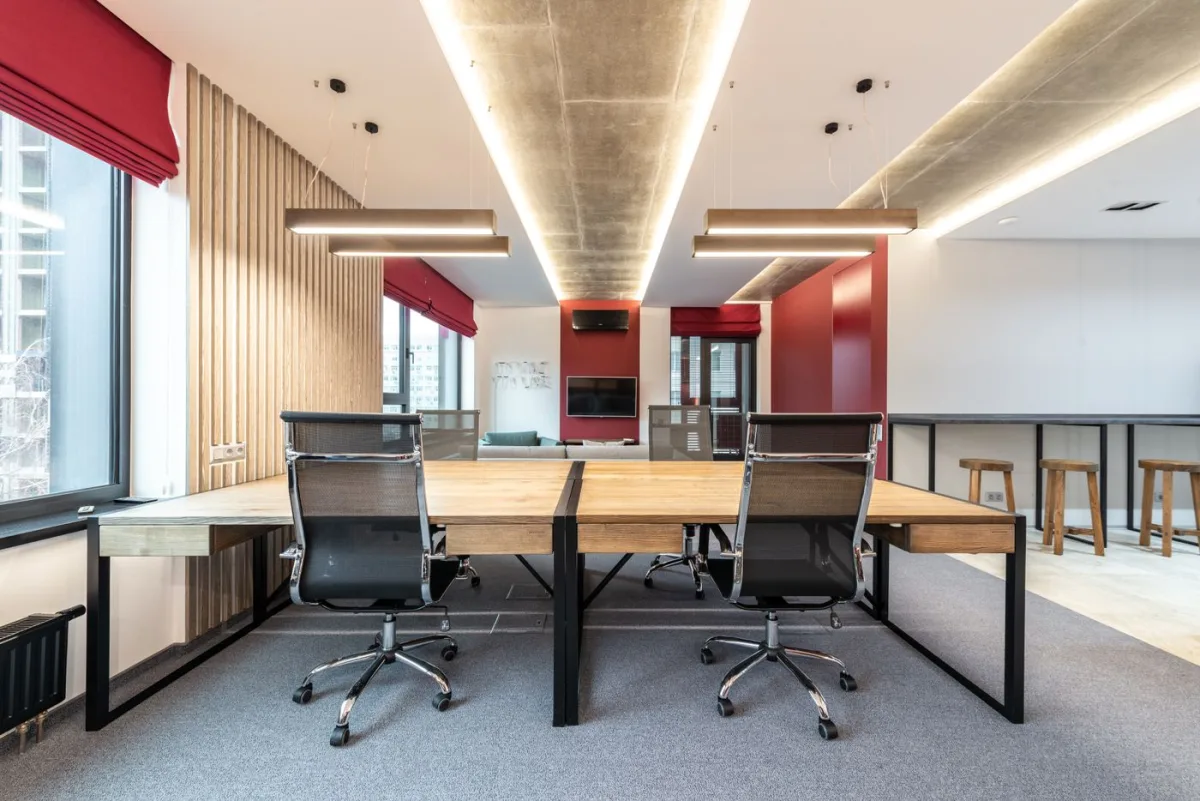
The office market has split, and your building sits on one side of it
Office is no longer a single market. Newer, well-located space with real amenities holds its tenants and holds its value. Older secondary space competes on price against a great deal of similar inventory and takes considerably longer to sell. Pretending a building is on the stronger side of that line does not survive a buyer's walkthrough. An honest read on which side you are actually on determines the strategy, the pricing, and which buyer you should be marketing to, and knowing it before the listing goes live is far better than learning it after ninety days of silence.
Vacancy is the first thing a buyer prices
An office building with genuine occupancy and lease term remaining is an income asset. The same building mostly empty is a repositioning project, and buyers price it like one. Between those two poles, what matters is who the tenants are, how much term is left, and how likely they are to renew. Buyers discount heavily for lease expirations clustered inside the next eighteen months, because that is their risk rather than yours. Knowing where the rent roll is exposed lets you address it before listing or price for it deliberately.
Owner-users are often the strongest buyer for a smaller building
For buildings at the smaller end, the best buyer is frequently a business that wants to occupy the space rather than an investor calculating a return. Medical and professional practices along the Fairlawn and West Market Street corridor buy this way regularly, and their math is different from an investor's. They will pay for the right location, the right layout, and adequate parking, because it replaces rent they are already paying every month. Marketing only to investors misses that buyer entirely, and they are frequently the ones who pay the most.
Conversion and repositioning as a genuine option
Some office buildings are worth more as something other than office. Very little new office space is being built in this market, which means the competition is existing inventory, and buildings that cannot compete as office sometimes can as medical, flex, or residential depending on the structure, the parking ratio, and the zoning. That question belongs before the listing rather than after, because the answer changes who the buyer is. A building marketed only to office users when its real value is a conversion play is reaching the wrong audience entirely.
Selling an office building you occupy yourself
Many owners are also the primary tenant, which makes the sale and your business operations a single decision. The realistic options are a sale with a leaseback that keeps you in place and hands the buyer an income stream, a sale timed to coincide with your relocation, or a sale to another owner-user who needs exactly the space you are vacating. Each produces a different price and a different timeline. Choosing among them is as much a business decision as a real estate one, and you should settle it before we market the building.
Before we walk the building
Gather the current rent roll and leases, two years of income and expenses, the latest tax bill and insurance premium, and any recent roof, HVAC or inspection reports. A note on which units or suites have work coming helps too, since that is the first thing a buyer will price. Whatever is missing, we'll help you track it down before it holds up the deal.
“Fast responses and trustworthy people. All of my transactions are being processed with experience and profitability.”
Frequently Asked Questions
How is an office building valued?
On income where there is meaningful occupancy, using net operating income against a market capitalization rate. Where occupancy is low, valuation shifts toward price per square foot and what a buyer would have to spend to stabilize the building. Lease term remaining, tenant quality, parking, and the condition of major systems all move the number substantially.
My building is half empty. Can I still sell it?
Yes, but to a different buyer at a different price. A partly vacant building is a repositioning opportunity rather than an income asset, and it attracts buyers who price on what it costs to fill and what it will be worth stabilized. Marketing it as though it were fully leased simply wastes the first several months.
What is a sale-leaseback?
You sell the building and simultaneously sign a lease to stay in it as a tenant. It converts equity tied up in the property into cash while your operations continue uninterrupted, and it gives the buyer immediate income from a known tenant. The lease terms you agree to directly affect the sale price, so we negotiate the two together rather than in sequence.
Does parking really affect the price that much?
For office it often does, especially for medical and professional users who need spaces for both staff and clients. A building with a weak parking ratio limits which tenants can realistically occupy it, which narrows the buyer pool and shows up in the price. In suburban Summit County submarkets this matters more than it would in a downtown location with structured parking nearby.
How long should I expect an office sale to take?
Generally longer than other commercial asset classes right now, because the buyer pool is narrower and financing on office is harder to secure than it was a few years ago. Well-located buildings with solid occupancy move considerably faster than older, partly vacant ones. Pricing realistically at the outset does more to shorten the timeline than anything else available.